Showing posts with label accidents. Show all posts

Tuesday, July 8, 2014

CHAPTER FOUR: Living In Between

BETWEEN
Between is
                                                      Beige waiting rooms
                                                                       With molded
Plastic chairs
                                                  Long corridors
                                                                             Connecting
Here to there.
 
CHAPTER FOUR.
March 6, 2000. 2PM.
            I feel like Alice in a distorted version of Wonderland, watching the corridor that connects the parking garage to the hospital grow each day to immense proportions. It takes one minute and twenty seconds walking at a normal pace to complete the trek. I time it, but it seems longer most days. My shoes make only muffled sounds on the carpet, my tired smile meets the faces of other weary travelers: doctors, nurses, visitors. We all look shell-shocked, like victims of a national disaster, thrown into this corridor. It is the last place on earth we want to be, but for the time being it is the only place we can be. Our real lives have been suspended; this corridor, stretching from here to there, is all we have.
            I am bone-tired. It is an expression my grandmother would use when I would try to cajole her into playing a game of jump-rope. “I am bone-tired,” she would say, dropping into an old wooden rocking chair that creaked no less than her joints. I would laugh and run off to my games, leaving Nanny to rock in the sunshine, each squeak of the rocker’s gliders sing-songing her weariness.
            I am bone-tired now, so tired that I can feel the ache from the tips of my toes to the roots of my hair. I wonder every day if I will be able to traverse the corridor or stop somewhere along the way, sinking into a liquid puddle of weariness, no bones or cartilage or organs, just a large wet spot as my flagging energy seeps out onto the gray carpet.
            Yesterday, someone stopped me on my corridor journey and said, “I don’t think I would have been as well-prepared for this as you have been.” Prepared? You can be prepared for such a tragic accident? Who plans or expects that in one blinding instant of crashing metal that a loved one will be so grievously injured? That lives will be forever altered?
            I did not plan. Even now, I do not plan. It is only dogged determination on my part, German stubbornness coupled with Native American tenacity that keeps me putting one foot in front of the other and marching on.
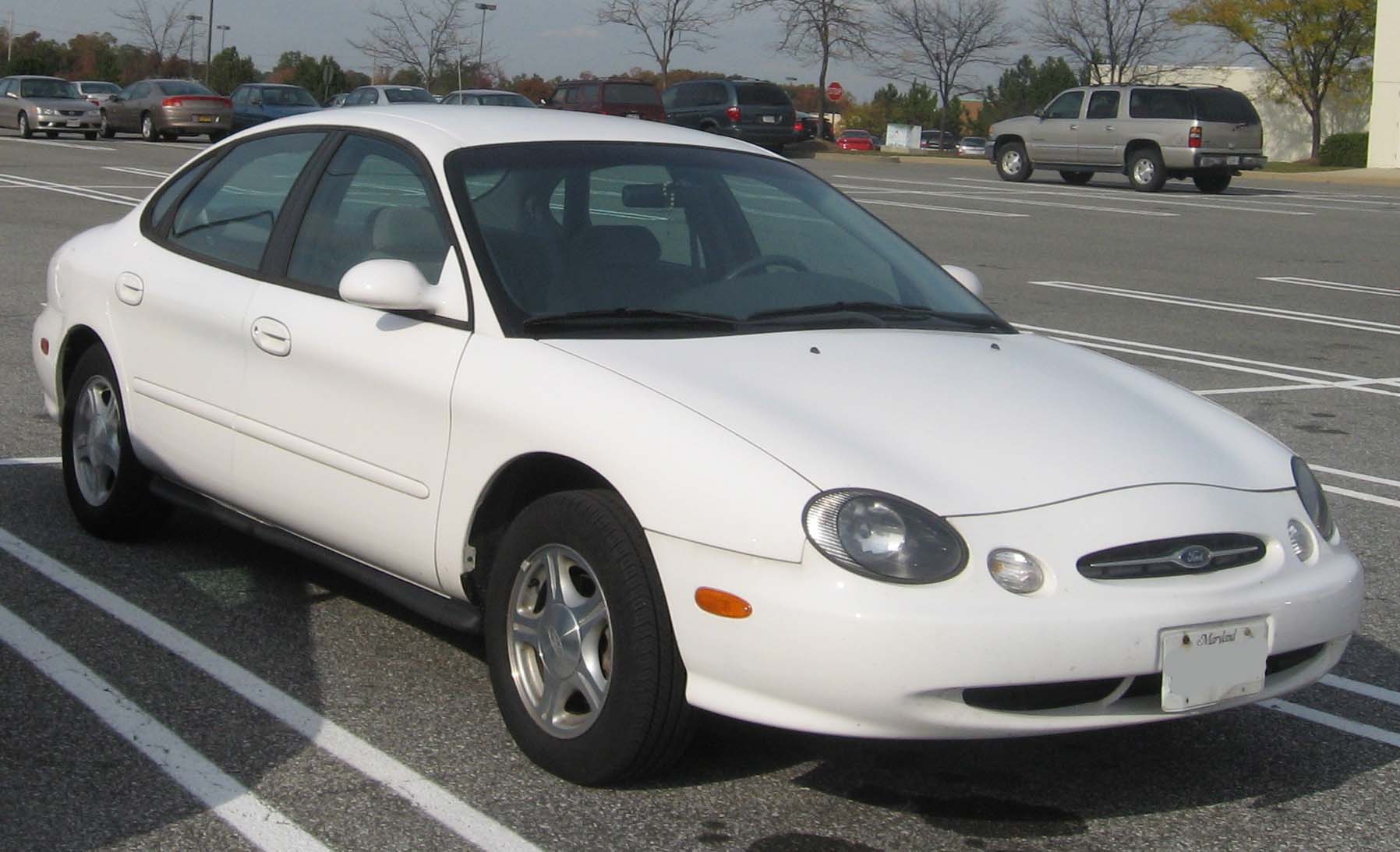
            Ron is dozing when I enter his cubicle in the ICU. I check the chart at the end of his bed. Critically ill adult male. Catheter taken out, drainage tube may come out tomorrow. Patient was up and walked around bed. Still on 02 tank. Psych consult reports patient is handling things well. Scheduled to leave ICU tomorrow.
            I plop down onto the visitor’s chair and check the list I carry in my pocket. I have dropped the insurance cards off at the admissions desk. Ron signed the power of attorney to me yesterday. Reese had gotten Ron’s things out of the trunk of the wrecked Taurus. The bookbag in my car is filled with sixth grade essays to read. Someone from church—Ann?Joan?—is bringing supper tonight. For the moment, no one needs me and I close my eyes briefly, trying to ease the headache that settled in three days ago. I have been the one that demanded the psychiatric consult. Perhaps someone could come and talk to me to see how I am handling it.
            I watch Ron sleep, the monitors and wires connected to him beeping and whirring. In the last week, I have become all too familiar with their functions. This one monitors his heart, this one his respiration and blood pressure. This tube from his chest is draining fluid off his damaged lung. The IV in his arm feeds Ron nutrients since his damaged pancreas cannot digest food. The kids call it “banana pudding.” The morphine infuser doses out his pain medication.
            From all accounts and reports, Ron is doing well, or at least as well as anyone can who has been hit by a truck. The kids and I tease him about it, our black sense of family humor rising to the occasion. “Stop being so stubborn,” we teased Ron last night when he balked at his breathing treatment. “What, do you need a truck to hit you?” He laughed along with us, although the movement compressed his chest and set off an alarm, bringing a nurse.
            It will be, says Dr. Huffman, two weeks until Ron can come home. She is optimistic that we are over the hump. Watching Ron now, seeing all the machines and monitors and tubes, it is hard to believe that he will ever walk out of here. We will need to arrange for home care during the day while we are all out of the house and at night I will take over. My depleted strength makes me wonder if I will have the energy to teach all day and tend to Ron at night, but I do not express my fears. Pastor Tripler has assured me that God will not give me more than I can handle.

            Ron groans in his sleep. I wonder if the scenes of the accident flash before his eyes. He says that he remembers only a little; there was the sound of screeching brakes and an impact. After that, he says, it was a blur. He does not remember kicking open the passenger side door, or crawling out of the car. He does not remember talking to the paramedics, although they report that he was standing on his feet when they reached the scene. I am grateful for his lack of memory. The image of the accident haunts my own dreams.
            Ron’s body will, Dr. Huffman says, heal. He is strong. But it is not his body I am worried about as I watch him sleep. I cannot help but wonder what this will do to his mind. We are not yet a year away from Friends’ Hospital and the breakdown that sent him there. Despite the psychologist’s very brief examination, there is something I cannot quite put my finger on yet, something different about Ron.
            “He seems good,” Reese said last night. “Don’t you think?”
            And I responded that, yes, Ron seems to be healing nicely.
            Reese tapped his head. “I mean here,” he said. “He seems better here.”
            I nod reluctantly, because who can really tell at this juncture? Up until twenty-four hours ago, Ron was unable to speak because of the ventilator. Yes, he seems to be in a more positive frame of mind than I would have thought, but is that just relief that he is still alive? And, yes, his first words, written on the nurse’s pad, spoke of hope, but we still have a long road ahead of us and hope can wear thin. I know that my husband likes instant solutions. Despite what the psychologist has said, I have lived with Ron’s mood swings for eight years. I know that he can sometimes seem—well, normal—for a few days, then quickly he will hit another skid and begin the downward slide.
            At the moment, watching him sleep, eyeing the monitors that surround him, I want to be hopeful, I want to share Reese’s perspective. But still, there is that seed of doubt.
            Something is just not right.
MARCH 6, 2000. 6PM.
            The list the kids keep by the phone has grown again by the time I arrive back home. A “church lady”—Allen can’t remember who—has dropped off supper and Bonnie is ladling out chicken and rice. I check the phone pad while she puts it on the table. Gus called insurance agent. Spoke to Sergeant at West Goshen. Power of attorney letter arrived. Ron needs to sign. Don’t let Ron talk to insurance agent!!!! Cards came from students at Westtown. Heinz sent a basket of fruit. Calls from Jim, Celeste, Kelvin, James. 
            Bonnie, Allen, and I say grace before digging into the casserole dinner, making Ron’s recovery the focus of our prayers. I chatter on, talking about how well their father looked today, the fact that he is leaving the ICU tomorrow and that the drain in his lungs might soon come out. They add little to the conversation, although Bonnie offers to return to the hospital with me that evening.
            “Are you coming?” I ask Allen. He shrugs. He has seen Ron once in the last two days, a visit that made him grab my hand tightly and avert his eyes away from his father’s damaged body. He refuses to talk about the accident. I have made an appointment for him tomorrow with Steve, the therapist Ron was seeing. During the years we have been dealing with Ron’s mental illness, Allen has sometimes retreated into himself.
            I often think of Allen as my neglected child. His older siblings assure me that it is not really true, that Allen has always had any time and attention he needed from me, but it still feels as if he is often pushed to the bottom of my list. I carry guilt that he and I did not share picnics in the park as I did with Bonnie and Dennis, that his early years had been spent in the care of a babysitter since I was a working mother, that school and classes have disabled me from serving as his homeroom mother at school. Allen asks very little of me, but my heart is often burdened for him.
            When he was four, Allen was diagnosed by school officials as being educably mentally retarded. The news was handed to me over a conference table with little explanation, dropped like the proverbial ton of bricks. I was crying in the parking lot when the school psychologist came up behind me and put her arm around me. In the years that I have managed my own classroom and sometimes needed to impart difficult news to parents, I have remembered the feeling of having my insides torn out. I would never want another mother or father to go through it.
            Ron’s reaction to Allen’s diagnosis was typical, given the mental state he was in at the moment. “It’s your fault,” he said, “because you’ve always worked.” He did not really mean it, of course, and later on said he did not even recall saying it. Nonetheless, the words tore at me and some part of me has wondered if it can be true.
            I watch Allen as he heads out of the kitchen. We have come a long way from that initial, devastating diagnosis. Allen has learned to do things once thought impossible. While he still requires an adapted curriculum and special services, it is clear that he will one day be able to maintain an independent life. I have fought hard for him, my youngest child, calling state representatives and school administrators for services, advocating that he have the least restrictive environment and be mainstreamed when possible, and refusing to treat him with medication. The reason for Allen’s various learning disabilities was a rare condition involving elevated blood ammonia. We discovered it, almost by accident, when he was four. Since then, we have carefully controlled his intake of protein, a major cause of the elevation.
            Kids like Allen need practice before performance, Dr. Purcell told me. We do everything we can to make sure he is thrown into unfamiliar circumstances as seldom as possible. When he went to a new school, we took several tours ahead of time and made sure he knew how to find the gym and the cafeteria. We talked to his teachers and walked him through a typical school day. One time when he wanted to buy a snack at school and did not know how to negotiate the snack line, Bonnie set up a practice line at home. After a week, he felt confident enough to do the real thing. When he entered middle school last year, it was helpful that I had been a long-term substitute there three years before and knew the routines and the art rotations and what the heck a “mini” was.
            But how do you practice this? How do you prepare a child for the grievous injury and possible loss of his father? Then again, Ron has spent most of Allen’s childhood as a broken man. It is Bonnie and Dennis who show Allen photos of long-ago family vacations and help him to remember a father he never really knew. “Is that Dad laughing?” Allen will ask when he sees a picture of us at the beach, burying Ron in the sand. His older sibling will nod. Yes, Dad used to laugh.
            The phone rings. It is my friend Debbie, calling for the latest report. It seems the line is always busy. Her son Seth, who is four, interrupts her. “Say hello to Miss Linda,” Debbie says to him. “Say something comforting because Mr. Ron was hurt and is in the hospital.”
            Seth’s lisping voice comes over the phone. “How did Mr. Ron get hurt?” he asks brightly.
            I smile to myself, imagining Seth’s chubby hands holding the phone. “Well,” I say, “a truck hit him as he was coming home from work.”
            There is a sharp intake of breath. “Oh, my gosh,” Seth exclaims, “you could get killed like that!” Debbie grabs the phone away from him. “That wasn’t comforting!” she admonishes. Yes it was, the sort of black sense of humor we have all used to survive. It reminds me that while Ron’s road may be long and difficult, I can still laugh. It is a gift.
MARCH 6, 200. 9PM.
            Once I return from the hospital, I spend the evening returning the phone calls that have been added to the pad, believing that anyone who has called to ask us about Ron deserves a personal update on the situation. I try to keep the calls brief, but often I am drawn into conversations. Do we need anything? Yes, I need my husband back as a whole man. Is there anything they can do? Yes, they can pray and remember to always wear their seatbelts. Most people concentrate on Ron: his vital signs, his spirit, his prognosis. Once in a while a dear friend will ask how I am doing and I will always give the same reply: I’m hanging in there. I’m okay. It has, for years, been my standard response.
            The kids have gone to bed long before I finish my phone calls and my paperwork for school. The last call has been from my oldest son. He will be home tomorrow, he says. I protest that he not cut his vacation short, but he stops me. He needs to see his father, he says. He will be home around 3 and go to the hospital with me for the afternoon shift.
            I hang up the phone and check all the locks on the door. I know that Dennis, like Allen, is wondering if Dad will ever laugh again.
            I check on my two sleeping offspring before falling into my own bed. Bonnie is snuggled next to the ancient stuffed pig that has inhabited her bed for years. Her room is strewn with discarded clothing and movie posters. She looks, for all outward appearances, to be a normal teenager. She has been places few teenagers had to go.
            Allen’s lanky form barely fits beneath his Star Wars quilt. One leg has fallen out of his double bed. I push it back onto the mattress, cover him over gently, and kiss his forehead. His skin tastes slightly of salt, an indication that his blood ammonia may be on the rise. I feel something hard and sharp as I tuck the covers around him. Pulling back Han and Chewie, I discover that Allen has secreted a hammer from Ron’s toolbox between his sheets. I cannot fathom a reason for its presence, but I do not remove it.

Saturday, July 5, 2014

Chapter One: Surgery

THROUGH IT ALL

I do not always see Your hand
My way is overcast
I do not always know my feet
Travel on Your path.

Quite oft I feel I’ve left the road
And wandered far astray.
But You always manage to guide me back
And set me on my way.

The journey’s often long and hard
And stress can take its toll.
But You, dear Lord, will guide me through
And save my very soul.

-LC 

CHAPTER ONE: SURGERY

March 2, 2000. 8PM.


            It has been an excruciatingly long day, but then Thursdays always are. I am driving home from my evening class at West Chester University and I have been on the go since 5:30 AM, with no break for supper. The class tonight has been less than exhilarating and my attention has drifted often. I leave at 7:15 with a twenty-page paper on reading strategies due in two weeks and midterms looming ahead. There are times I hate graduate school. As I drive home along Route 322, my stomach growls and my eyes water from the lights of passing cars. Despite two cornea transplants, my night vision is not good and my damaged corneas turn each headlight into my own personal display of Fourth of July fireworks.
            I spy Bonnie’s car as I pull up to the house. She is the one I worry about most often, picturing her stranded by the side of the road and at the mercy of evil strangers. She is a trusting soul. My peace of mind is the reason she has a cell phone she sometimes forgets to take with her. I breathe a sigh of relief at the sight of her blue Subaru parked outside the house. Supper will have been made, then, and there might be a plate of something for me waiting in the microwave. I am momentarily glad that I did not pull into the Wendy’s on Chichester Avenue and order a chicken sandwich at the drive through. I park my car behind hers and lug my heavy book-bag out of the back seat. Teachers are the original bag ladies. I have papers to grade tonight and a workshop to prepare for next week’s Shakespeare Festival. I lean against the car for a moment, acknowledging that I am feeling weary. One more week to go, and then spring break. I have made plans to escape to my parents’ house at the beach. Ron and the children can fend for themselves.
            Ron has, of course, strenuously objected. “You’re leaving me!” he shouted when I imparted the news several weeks ago.
            “Only for a few days,” I told him. “Only to get a little rest. You’ll survive.”
            His psychiatrist has assured him that he will, in all likelihood, survive. That this will give him a chance to assume some adult responsibility and rebuild some rickety bridges to his children. All of it means little to him when his mind is clouded by his battles with clinical depression.
            It is while I am leaning against my own car that I notice Ron’s white Taurus is not parked in its usual spot under the streetlight where the ambient glow makes it look like a pale ghost. He parks it here, across the street, for two reasons. First, more than one driver has miscalculated the curve of the road on the next block and careened dangerously close to the curb. The second reason, though, is more important. He parks it here, across the street, because the short walk gives him a chance to pull himself out of his lethargy long enough to kiss me hello and ask after the children. This short routine takes the toll on his energy burst. The time before supper is generally spent on the couch, the television set tuned to a sporting event he dozes through, while I plod around the kitchen banging pots and pans and grumbling that I, too, have worked all day.
            Thursdays, though, are different. On Thursdays Ron needs to pull himself together sufficiently to be able to make supper for himself and the kids—or at least order out for pizza—because on Thursdays I have a graduate class and am not home until late. The rest of the week may be open to phone calls from the nurse at Ron’s plant or mad dashes to the emergency room due to an onslaught of anxiety disguised as heart attacks, but on Thursdays Ron is forced to maintain some semblance of sanity. At least until I get home.
            Tonight is clear and cloudless and I am tired, the math tests in my book bag and the twenty page analysis due next week adding their weight to my burdens. All I want is a hot shower, a cup of tea, and a chance to put my feet up and nibble whatever has been supper. But Ron’s car is not in its usual spot. Four years of dropping everything and rushing off to hospitals because my husband cannot handle the world has trained me well; there will be no rest for the very weary tonight. Disappointment, bordering on anger, begins to brew.
            It is just before I reach the front door that a chilling though occurs to me; something has happened to Ron. Something really bad. A cold hand grips my heart, squeezes. There will be no supper for me, that his clear, and I am feeling upset that his ongoing emotional battles have to take a toll on me as well. I think, fleetingly, that I would be better off without him.
            I paste a smile onto my face before I enter the house. Whatever has happened will not be easy to deal with, but my children will need to know that, as usual, Mom can handle it.


            “Hello!” I say. Even to me, the cheerfulness sounds forced. The house, with two teenagers still in residence and one who lives down the street stomping around in his roller blades, is in its usual state of chaos. The smell of slightly burnt spaghetti assails my nostrils. My resourceful offspring, whatever may be the foibles of their parents, will not let themselves starve. From the dining room comes the sound of a computer game at high volume; my son is once again out to save the world from evil space aliens. It is a relief to hear Allen’s voice as he explodes another space pod and to see my daughter sitting on the couch, the cordless phone in her hand. Whatever has happened to my spouse has happened to him alone.
            I shake the cobwebs of tired from my head and drop my book bag on the floor. Bonnie jumps off the couch to hug me, nearly knocking me off my feet with the force of her embrace. Tears stream down her face and her voice quivers.
            “Mom,” she begins. Gently. She is a gentle child, unwilling to inflict hurt on anyone. Her father, too, when not in the grips of a manic cycle, is gentle. “You need to sit down…”
            I stand my ground. The anguish on her face rends my heart and for a moment I am engorged with rage at Ron, who continues to put us through these scenarios again and again. “I don’t need to sit down,” I tell her, struggling to keep the sharp edge from my voice. “Just tell me where we need to go and we’ll go.”
            It is evident that she has been crying. While our marriage has been seriously strained by Ron’s problems, they have nothing to do with her. She is still Daddy’s Little Girl. I wait while she struggles with her words. “It was a car accident,” she says. “A truck hit him on the way home from work.” For a brief moment, I think that he is dead. I am not sure how I feel about it. Sorry? Sad? But she goes on, quickly. “He’s at the hospital. At Crozer. The paramedics said that his…diaphragm ruptured. Or something like that. He’s in surgery. Pop Pop said…”

            I feel terribly, terribly sorry for her that she has to be the one to impart this bad news to me. The tears roll down her cheeks and in bits and pieces I understand that the paramedics have rushed Ron to the hospital and called my in-laws. Reese has come down to the house to tell the children. Bonnie was instructed to bring me to the hospital as soon as I arrived home. My mind reels with a hundred questions. Has Ron finally made good on his threats to end his miserable existence? Leave it to him to botch it, I think, and then am terribly contrite for even thinking it. I tell myself—again—that Ron’s cyclic depression is not of his choosing. I take a deep breath, willing my mind to focus.
            She is standing by the door, her car keys in her hand, waiting for me. “One minute,” I say. I peek into the dining room, where Allen, my youngest child, is playing computer games with his friend Jonathan. He looks calm enough, but his eyes are glazed over. Computer games or tears? It is impossible to tell. “Okay?” I ask him and he nods. He’s fourteen and no longer wears his heart on his sleeve. This one has visited his father behind the locked doors of a mental ward. His silence protects him. “Jonathan,” I say, “can you stay here for a while? Until we get home?” Jonathan nods, too involved with launching star crafts on the screen to answer me.
            I pick up the phone. I know time is important, but if Ron is already in surgery, all I can do is wait. I make a few phone calls: to my best friend Chris, who promises to call others from our church to pray, to my parents, to my school principal. Phyllis is not home so I leave a message, brief and terse. “Phyllis, my husband has been in a serious car accident. I will not be in school tomorrow. I’ll call you when I can.” I have no time to review my words or soften them. I try to call our pastor, but his line is busy. I write his number down on a pad by the phone, then call our oldest son’s house in the city. I know that even now he is on the road, traveling with college friends to New Orleans for the Mardi Gras, but perhaps one of his roommates knows a number where he can be reached. They are staying, I remember, with Alana.
            Jeff answers the phone on the first ring. I make my request brief. Jeff, a sensitive soul, begins to panic. “What can I do?” he says. “How can I help?”
            “Just the phone number, Jeff,” I say. I am a model of calmness, an example for all wives of accident victims to follow. My hand does not waiver as I add Alana’s number to the phone pad.
            Bonnie is still standing at the front door, jingling her car keys. Probably wondering why it is taking me so long, why we are not dashing down the highway to her father’s side. I dial Alana’s number. The answering machine picks up. I leave another blunt message, no time to carefully word it.
            I thrust the paper with the phone numbers at Jonathan.”Keep calling these numbers,” I tell him, “until you get someone.” He nods laconically.
            “Man the phones,” Bonnie tells him as we depart.  Jonathan is practically a member of the family. We have made this request of him before.
            It is a clear night, the moon and the stars bright against the black sky. The black road and the black night make it easy to pretend that I am floating, not walking at all, but suspended somewhere in time. Put one foot in front of the other, I tell myself. Keep walking. Keep breathing. This is not real. I slide into Bonnie’s car. This is not happening. For one instant—no more—I think how odd it is that I can accept the possibility that my husband has tried to kill himself. A photograph from our wedding album flashes into my mind: Ron, so tall and handsome in his powder blue tuxedo, me leaning against his arm as we leave the church. My white veil billows around us. We are both so young. It is a lifetime ago. I wonder, almost without emotion, if he will die.
            Bonnie turns the key in the ignition and her headlights cut the black night. I feel as if we are enveloped in a cocoon. Perhaps we can just drive forever into the black night and never have to arrive at the trauma unit. We head towards I-95, the radio off. It is a moment for silence only. We do not talk. I have no words of comfort to offer to my daughter. In truth, I am beginning to feel a little numb and light-headed. I remember—an after-thought—that I have not eaten in eight hours. I think about showing up at the hospital with a sack of burgers from McDonald’s, the concerned wife who had time to stop for fast-food. It is a ridiculous notion but I am living a ridiculous life. I stifle a laugh.
            My daughter shoots me a look, mistaking my laugh for a sob. “He’ll be okay,” she says because she has to believe it. I grip the hand rest of the passenger door tightly.
            My cell phone rings. I carry one, too, since last summer when Ron was in Friends’ Hospital—originally named The Asylum for Persons Deprived of the Use of Their Reason –and Allen was alone all day. I am tempted not to answer it; only Bonnie and Allen have the number and they use it only for emergencies. Usually, an emergency is anything involving their father. I push the green button, “Hello.” My voice echoes in the car, sounding foreign even to me.
            It is my best friend, Chris. “I called the house,” she says. “Allen gave me the number. What hospital is he at?”
            “Crozer,” I tell her. “Fourth floor. Intensive Care.” An image of my grandfather flashes before me, his thin body surrounded by a web of wires that used to monitor his every function. I went to the Intensive Care Unit here at Crozer the first time to gather up his personal effects and take them home to Nanny.
            “I’m coming,” she says. I being to protest, my usual self-effacing “I’m alright and can handle this routine”, but she sees through it. “I’m coming anyway. I’ll pick up my mother and we’ll meet you there.” She clicks off. I fold the phone back up and put it in my purse. I wanted her to come but would not have asked. I know my in-laws are even now waiting at the hospital. Past experience has taught me that they will be able to offer me no comfort tonight.
MARCH 2, 2000. 8:30 pm
            It is regrettable that I know so much about this hospital. I have been here far too often. We do not need to ask directions to the trauma waiting room but push the button for the fourth floor like the old pros we are. Bonnie is hugging my arm, but I am not sure who is holding up whom. While we have not spoken of it, we know that what awaits us will just be one of many trials this evening will bring.
            We are alone in the elevator. The ride to the fourth floor is short, but long enough for me to compose my features into what I hope is a look of extreme concern. I do not really know what my feelings are at the moment, but I know that my in-laws, already pacing the floors, will expect their son’s wife to emanate distress. Despite the difficulties of the last four years, Ron is still their child.
            We see them the moment we step off the elevator, sitting in the glass-enclosed cubicle off of the ICU. It seems cruel to allow people in crisis to be exposed to the looks of passers-by. I lift my hand to wave, think better of it, and nod my head instead. Reese’s face is set in a grime line. Betty, sweet woman, offers a weak smile. My grip on Bonnie’s arm tightens and I try to steal some strength from her. My own has drained away.
            There is no preamble or greeting at the door. Reese speaks quickly, brusquely. “A truck hit him. Crossing Paoli Pike. Speeding. His diaphragm is ruptured. And other things inside. The paramedics say all his internal organs have shifted up into his chest. It’s a mess.” He shakes his head and his voice trails off.
            I find my own voice. “When? How long has he been in surgery?”
            Betty fills in some details. Her face is soft and pink but it is evident that tears have been falling down her cheeks. She is a gentle woman. She has raised an equally gentle son. In contrast to her husband, whose abruptness serves as a shield against his emotions, she is open with her feelings. “He was on his way home from work, “she says. “Around 4:30. The paramedics got to him right away and the hospital called us around 5:30. He’s been in surgery since we got here.”
            I glance at my watch. It is almost 8:30 now. Three hours. When Ron was wheeled into surgery, I was in EDR 517, taking notes on reading comprehension. “Why didn’t someone call me?” I ask. I am the last to know that my husband’s life has hung in the balance for several hours.
            “The hospital called us,” Reese says flatly, as if that explanation covers it all. It is hardly a secret that Ron’s problems with depression have taken a toll on our marriage.
            Betty’s explanation is softer, kinder. “Ron told the paramedic that you wouldn’t be home until 8:00 and he didn’t want the kids frightened. So he gave them our number.”
            Ron was conscious at the scene of the accident? And had the presence of mind to remember that it was my evening at school? This is surprising. In recent weeks, he has barely been able to remember his children’s names. “But I have a cell phone,” I stammer. “Bonnie knows the number…” I turn to my daughter, whose hand grips mine.
            “We didn’t want you to drive home knowing. We were worried about you.” I realize that the voice saying this belongs to Reese. He has made it clear these past years that he considers me strong, almost too strong. It makes Ron look bad. Although my father-in-law for twenty-four years, he has shown me little approval of late.
            I drop into a seat, a green metal-framed chair common to waiting rooms the world over. I’ve been in enough to offer an opinion. The television set is on. There is a phone on the wall by the door and a rack of hospital literature and magazines nearby. It seems quite odd that I notice these details and that my heart is beating at a normal rate and that my hands are not clammy or cold. We are alone in the waiting room. Other families have been spared similar tragedies tonight.
            “Have you spoken to the doctor? To anyone?” I am beginning to acquire more pieces to the puzzle but larger questions still loom ahead. The one I most want to ask will have to wait.
            Betty has affirmed that, yes, the surgeon came out and spoke with them about an hour ago. She reported that Ron’s injuries are serious, even life-threatening. Most of his internal organs need to be moved back to their original positions. There is a possibility of damage to the liver, the spleen, and the pancreas. I am not even sure what the pancreas does.
            “The owner’s card on the Taurus is expired,” Reese states flatly. “Did you know that?’
            I inhale deeply. Now it will begin. The owner’s card sat on the dining room table for two weeks awaiting Ron’s signature. “Yes, I knew.”
            The anger needs to be turned onto someone and I am handy. I always am. “You can’t trust him to do things like that. You know he can’t remember things.”
            The tears I have been holding back, unable to shed for my own husband, pour from me. This is unfair. These two people have not lived with Ron on a daily basis for these last few years. While they make an attempt to hide the fact that they consider me to blame for Ron’s depression, they have fallen into the habit of assigning all responsibilities to me. “It sat on the table for two weeks,” I falter. “I reminded him every day.”
            “I should have taken him to get it,” says Reese. “I should have given him the money and taken him myself.”
            This is part of the ongoing problem with Ron’s mental issues. Too many people do too many things for Ron. He is expected, quite literally, to do nothing for himself. “He went to the tag store Tuesday evening,” I say. “They were closed.”
            Reese continues to shake his head. “Probably lose his license. Probably get a fine.”
            I stifle back a laugh. Ludicrous to think—while Ron is still in surgery—about a fifty dollar fine. “He needs to do some things for himself, “ I rush on. “It isn’t fair that everything falls on me. I work. I go to school. I take care of the house and the kids and the bills. There has to be something Ron is responsible for!” I close my eyes against the hot tears. While I feel my anger is justified, I regret having unleashed my tirade here. In this place. Bonnie pats my arm and we sit in silence for long moments, each of us bound up in our individual grief, wondering if the time has come for us to say good-bye to Ron.

            I have been saying good-bye for years. The man I married has been replaced by a silent, gloomy robot whose only emotions are expended on himself. I think of him now, lying on the operating table, his chest exposed to the surgeon’s knife. I offer a single prayer. Change him, I pray.

MARCH 3, 2000. 1 AM.
            The first thing I notice about her is her kind smile, this surgeon who has somehow put the pieces of my husband back together again. She touches my arm when I rise from my seat, urging me to sit back down. She pulls her green plastic chair closer to mine. I introduce my daughter, my friends, Ron’s family, and our minister and his wife. She nods at all of us, smiling pleasantly, but it is my eyes she focuses on and her voice is very gentle.
            “You’ve had a long night,” she says. “You must be exhausted. Have you eaten?” I shake my head, not really thinking iced tea and crackers count as a meal. “When you leave here,” and she glances at her watch, “you are under orders to go home and sleep. Do not set the alarm. Just sleep.”
            I nod, still not trusting my voice to speak so it is my friend, Chris, who asks, “How is he?”
            Dr. Huffman inhales. “He,” she says, “is a lucky man. He has a lot of internal injuries. And there are possibilities of complications. But he is alive. That, in itself, is a miracle. A lesser man, “ she smiles, " could not have survived.”
            I find my voice. “We were told he had a ruptured diaphragm, but we aren’t clear on what else.”
            She nods. “The ruptured diaphragm was most certainly the most serious injury. His chest was impacted by the steering wheel and cut off his breathing. I don’t know how he survived until the paramedics came. He also has several broken ribs, a severe laceration on his left arm all the way to the bone, a torn pancreas, a collapsed left lung, damage to his spleen, and compression of his internal organs. There might be some damage to his aorta, too. We’ll watch him through the night. And the pancreas and the spleen are very tricky to handle. We’re not at all sure what the outcomes will be. But, “ she grips my hand tightly, “he’s alive. And conscious.”
            Ron has been in surgery since 5:00 PM. It is now past 1PM.
            “Can I…we…see him?”
            She nods. “If you’ll promise to go straight home afterwards. And get some sleep. You know, I worry about the families of my patients as much as I worry about my patients.”
            My in-laws rise along with my daughter and I. So does Pastor Tripler. Dr. Huffman smiles again. “Just family now,” she says.
            “I’m his minister,” replies Pastor.
            “Then we need you by all means,” says Dr. Huffman. She leads us down the corridor to the recovery room.
            At the door, Pastor Tripler grips my arm. “Linda,” he says, “this won’t be pretty. He won’t look like himself. Can you do this?’
            I think back over the many things I have had to do these last eight years since Ron was diagnosed with clinical depression and bipolar disorders and I nod. “I can do it.” So with Pastor on one side of me and my daughter on the other, I walk up to Ron’s bed. He is still and gray, a ventilator making his chest rise and fall. My knees buckle, but my supporters are strong. There are tubes everywhere and I hardly know where to touch him, although I want to. There is a bare spot on his right shoulder. Lightly, I put a finger there. “Ron,” I whisper. His eyes flicker open. He blinks at me. They close again.
            “That’s enough for tonight,” says Dr. Huffman. “Go home. We’ll take good care of him.”